
A track catches your attention in shuffle mode, then the next song starts before you look at the player. A small habit can turn that passing moment into a useful route back through your own collection.
When possible, note the track, artist and album immediately. If the player keeps a recent listening history, use it to recover the item rather than trying to identify it from a half-remembered title. Player features vary, so check what your own application records.
Add a short reason for returning: the unexpected vocal entrance, a percussion sound or a transition you want to hear in context. “Listen again” is less useful when twenty tracks share the same note.
Return to the album sequence
Play the track with its neighbours when you next have time. Does the opening answer the previous ending? Does the next track make the one you noticed feel different? Shuffle gave you a discovery; the album order gives you another listening question.
Keep this discovery list separate from a permanent rating system. A track can deserve another listen without becoming a favourite, and an unfamiliar passage can be interesting precisely because you do not yet know what to make of it.
Once a week, choose one entry to revisit and remove stale reminders you no longer need. The aim is a manageable trail, not a record of every second the player was running. A brief note can give a chance encounter somewhere useful to lead.
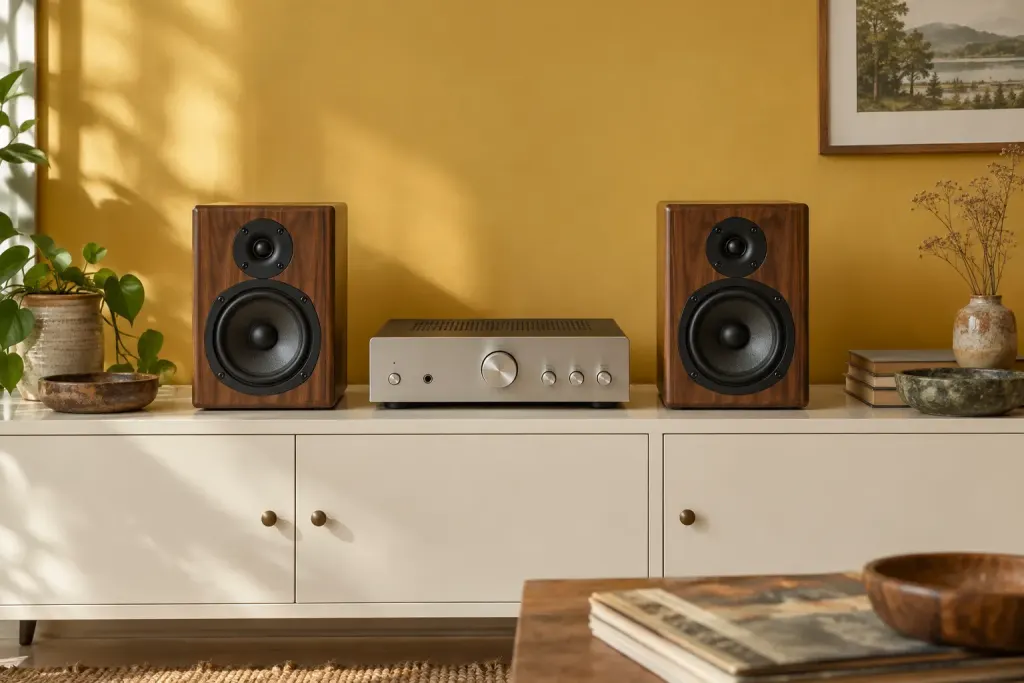
Editorial illustration from the site library.